





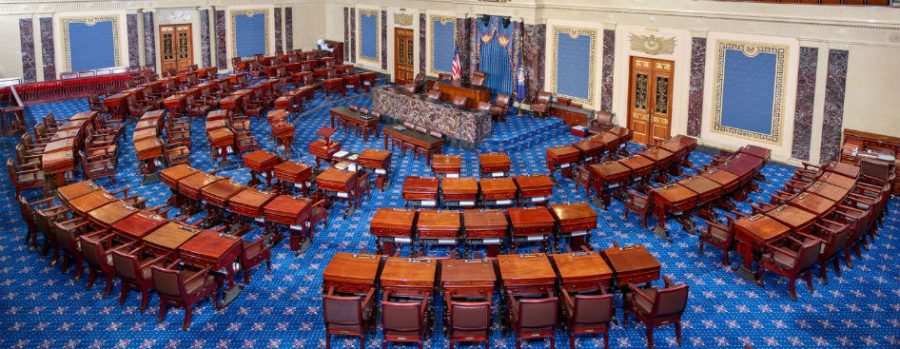
The U.S. Senate has moved rapidly to ban its personal members from buying and selling on prediction markets, citing rising concern over insider benefits and moral grey areas tied to the fast-expanding platforms. In a unanimous April 30 vote, lawmakers authorized a rule barring senators, workers, and Senate officers from taking part, with instant impact.
Rising scrutiny over prediction market entry
Stress had been constructing as watchdogs and policymakers raised issues that entry to delicate or nonpublic info may present an unfair edge in markets the place customers commerce on real-world outcomes akin to elections and geopolitical occasions. Even oblique insights into coverage or international developments may translate into worthwhile positions.
Bipartisan push features momentum
Sen. Bernie Moreno led the bipartisan effort, arguing the measure is important to take care of public belief. Lawmakers throughout social gathering traces have more and more warned concerning the dangers of mixing public service with speculative monetary exercise in fast-moving markets.
Broader regulatory efforts take form
The Senate’s transfer aligns with a wider push in Washington to tighten guidelines round monetary exercise by public officers. Considerations over congressional inventory buying and selling have endured for years, and prediction markets are rising as a brand new point of interest. A bipartisan Home proposal is already being developed to increase related restrictions.
States and business reply to strain
Past Congress, Kathy Hochul has backed restrictions aimed toward stopping state workers from participating in insider-style buying and selling on prediction platforms.
In the meantime, firms like Kalshi and Polymarket say they already prohibit insider buying and selling and have carried out safeguards to restrict conflicts of curiosity.
Regulatory uncertainty continues
Regulators, together with the Commodity Futures Buying and selling Fee, are nonetheless figuring out the best way to classify and oversee prediction markets, which blur the road between monetary exchanges and playing merchandise. Because the sector grows, the Senate’s motion marks a transparent sign that lawmakers are ready to impose stricter boundaries between public duties and personal monetary exercise.